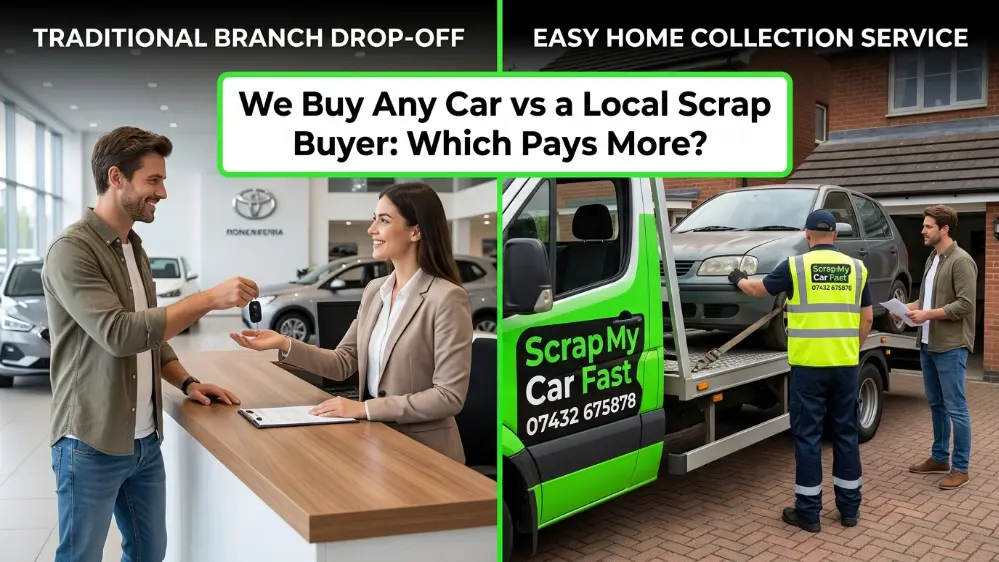
You’ve probably seen the adverts, punched your registration into an online valuation tool, and got a number back in seconds. Before you book an appointment and drive across town, it’s worth understanding exactly how that valuation process works, why the figure you’re quoted online often isn’t the figure you actually get paid, and whether your car is even the type of vehicle this route suits in the first place.
This isn’t about badmouthing national car buying services, they’re a legitimate, widely used part of the market. It’s about being clear-eyed on how the process actually works so you can decide whether it’s genuinely the best fit for your car, or whether a local scrap buyer would serve you better.
How National Car Buying Services Actually Work
The process across most of these services follows a similar pattern. You enter your registration, mileage, and some basic condition details online, and get an instant valuation based on that limited information. If you’re happy with the number, you book an appointment at a local branch, where a member of staff physically inspects the car, checks your documents, and sometimes takes it for a short test drive. Based on that inspection, they present a final offer, and if you accept, you’re paid, usually by bank transfer or cheque, once the paperwork is completed.
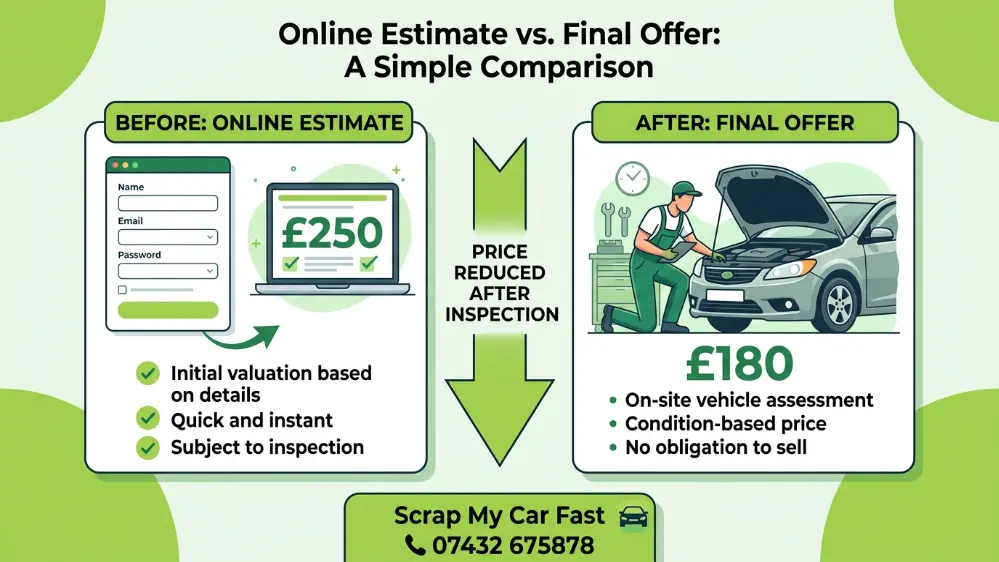
Why the Final Offer Often Differs From the Online Valuation
This is the part worth understanding clearly before you go in with expectations set by that first online number. The initial valuation is based entirely on the information you provided yourself, mileage, condition rating, any listed faults, without anyone actually laying eyes on the car. Once it’s physically inspected, cosmetic issues like scuffs, chips, and interior wear, along with any mechanical concerns picked up during the test drive, commonly bring the final offer down from that initial figure. This isn’t a hidden trick specific to any one company, it’s simply how an inspection-based valuation model works across this entire type of service, and it’s worth going in expecting some adjustment rather than being surprised by it.
Where This Route Works Well
This kind of service suits a car that’s still roadworthy, reasonably presentable, and where you’re comfortable driving it to a branch appointment yourself. If your car is in genuinely good order and you’re not in a rush, it’s worth getting a valuation this way alongside other options, since competition between routes can work in your favour on price.
Where It Doesn’t Fit as Well
The model runs into problems for exactly the kind of car many people are actually trying to get rid of. Most national buying services are built around a branch visit, which means the car generally needs to be driveable to get there in the first place, non-running vehicles often aren’t accepted without additional arrangement, and where they are, it can come with reduced convenience or extra cost. Older or heavily worn cars are also the ones most likely to see a significant gap between the online estimate and the final in-person offer, since cosmetic and mechanical deductions tend to hit older vehicles hardest. If your car doesn’t start, has failed its MOT, or is genuinely at the end of its useful life rather than simply due for a change, this is exactly the situation a specialist scrap buyer is built for instead.
What the Inspection Actually Looks At
Understanding what gets checked at a branch appointment helps explain why the final offer moves the way it does. Staff typically assess exterior panels for scuffs, dents, and mismatched paint from previous repairs, check tyre tread and condition, look over the interior for wear, stains, or damage, and take the car for a short test drive to listen for anything mechanically amiss, unusual noises, warning lights, or handling issues. They’ll also cross-check your paperwork, service history, number of previous keepers, and outstanding finance, against what you declared online. Any mismatch between what you reported and what they find tends to move the final figure, sometimes significantly, which is exactly why being as accurate as possible in the online valuation stage helps minimise surprises later, even though it doesn’t guarantee the figure holds.
Fees and Payment Timing Worth Knowing About
It’s also worth going in aware that some national buying services apply transaction or administrative fees as part of completing a sale, and that standard payment can take a few working days to clear rather than landing instantly, unless you pay extra for an expedited option. None of this makes the service illegitimate, it’s simply part of the standard terms, but it’s worth factoring into your comparison rather than assuming the number you’re quoted on the day is exactly what lands in your account immediately afterwards.
Comparing on More Than Just the Headline Number
When you’re weighing up a valuation against a scrap quote, it’s worth looking past the initial figure and considering the full picture, whether any fees apply, how quickly payment actually clears, whether the car needs to be driveable to get there, and how much of your own time and fuel the appointment costs you. A scrap quote from a service that collects for free and pays the same day can end up the more sensible choice even where the headline number looks similar to a national buyer’s offer, once travel time and any deductions are accounted for.
Comparing on More Than Just the Headline Number
When you’re weighing up a valuation against a scrap quote, it’s worth looking past the initial figure and considering the full picture, whether any fees apply, how quickly payment actually clears, whether the car needs to be driveable to get there, and how much of your own time and fuel the appointment costs you. A scrap quote from a service that collects for free and pays the same day can end up the more sensible choice even where the headline number looks similar to a national buyer’s offer, once travel time and any deductions are accounted for.
A Practical Example Worth Considering
Picture two identical older cars, both roughly the same age and mileage, one presented in tidy, well-maintained condition, the other showing genuine wear, a few dents, a slightly tired interior, and a couple of warning lights that come and go. Both might return a similar online estimate at first, since that figure is based largely on make, model, and mileage rather than fine detail. Once inspected in person, though, they’re likely to end up a long way apart, the tidy one holding closer to its original estimate, the worn one dropping significantly once every mark and fault is logged against it. A scrap valuation, by contrast, would treat both cars far more similarly from the outset, since it’s based primarily on weight and metal content rather than cosmetic presentation, meaning the worn car’s true value is more accurately reflected from the very first quote rather than being a disappointing surprise on appointment day.
How a Local Scrap Quote Compares
The two models work on fundamentally different logic, and it’s worth laying that out plainly. A national car buying valuation starts from a retail-style estimate and gets adjusted downward once your car’s actual condition is confirmed in person. A scrap quote works the other way around, it starts from your car’s weight and the current scrap metal rate, so there’s no inflated initial number to be disappointed by later, what you’re quoted is grounded in the same numbers that determine the final price. A national buyer generally needs the car brought to them, while a scrap collection comes to you, anywhere across Greater Manchester, including vehicles that can’t be driven at all, using a flatbed or winch where needed. Payment timing is similar for both, usually the same day once a deal is agreed, though a scrap sale typically involves less back-and-forth simply because there’s no separate online estimate to be revised down.
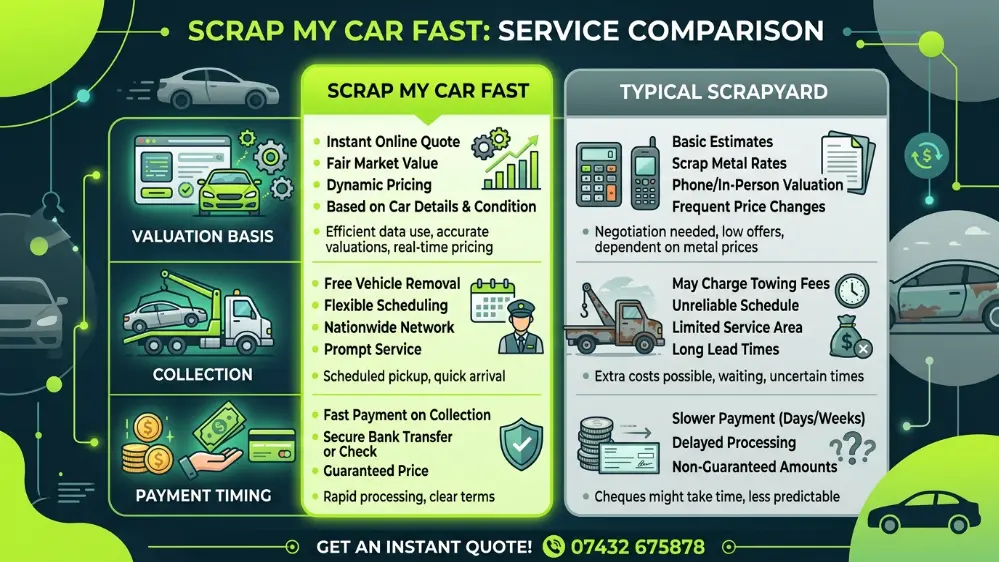
Which Route Actually Suits Your Car
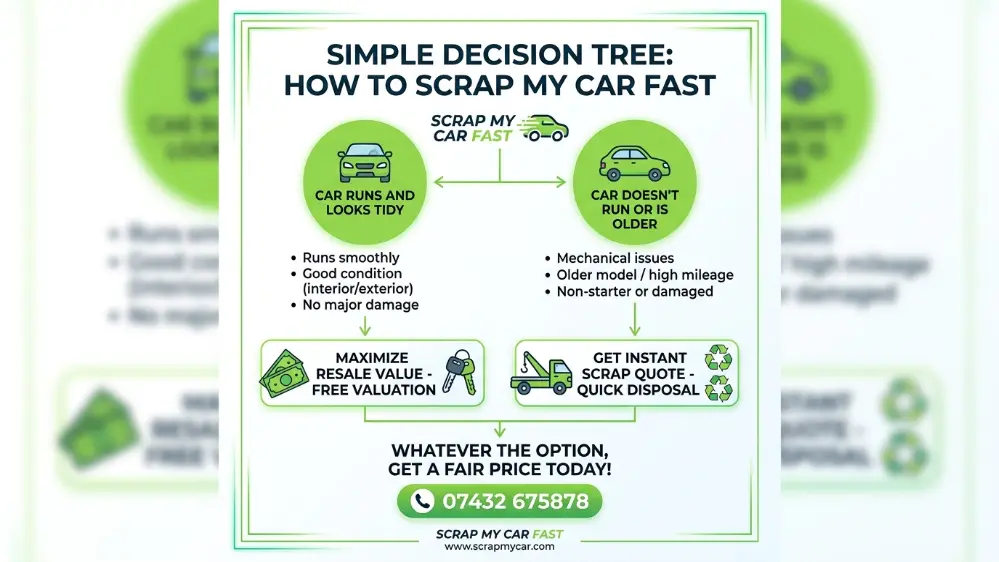
If your car is still running well, looks presentable, and you’re willing to travel to a branch and potentially negotiate on the day, it’s worth getting a valuation from a national buyer and comparing it against other options before deciding. If your car isn’t running, has failed its MOT, is showing its age heavily, or you’d simply rather avoid an appointment that might end in a lower number than you expected, a straightforward scrap quote is usually the more certain and more convenient route. You can check what yours is likely worth using our scrap car calculator in under a minute, with no need to drive anywhere first.
Making Your Own Comparison Before Deciding
The most useful thing you can do before committing to either route is treat this as a genuine comparison rather than a default choice. Get your online valuation from a national buyer if you want, note down the figure, then get a scrap quote for the same car through our scrap car calculator and compare the two honestly, including how much time, travel, and potential in-person adjustment each route involves. For a tidy, roadworthy car, the numbers might come out fairly close, in which case convenience becomes the deciding factor. For an older or less presentable car, the gap often favours scrapping once you account for the appointment travel and the realistic chance of a reduced offer once it’s inspected.
Get Both Numbers Before You Decide
There’s no reason to commit to one route without comparing. Get an instant quote from us based on your car’s details, and weigh it against any valuation you’ve had elsewhere. If your car isn’t running at all, our scrap my non runner service covers exactly that situation, and you can read more detail on how non-runners and broken vehicles are handled locally in our guide to scrapping a non-runner in Manchester. Whichever way you go, there’s no obligation to accept any quote until you’re genuinely happy with it.
How Collection Works If You Choose to Scrap
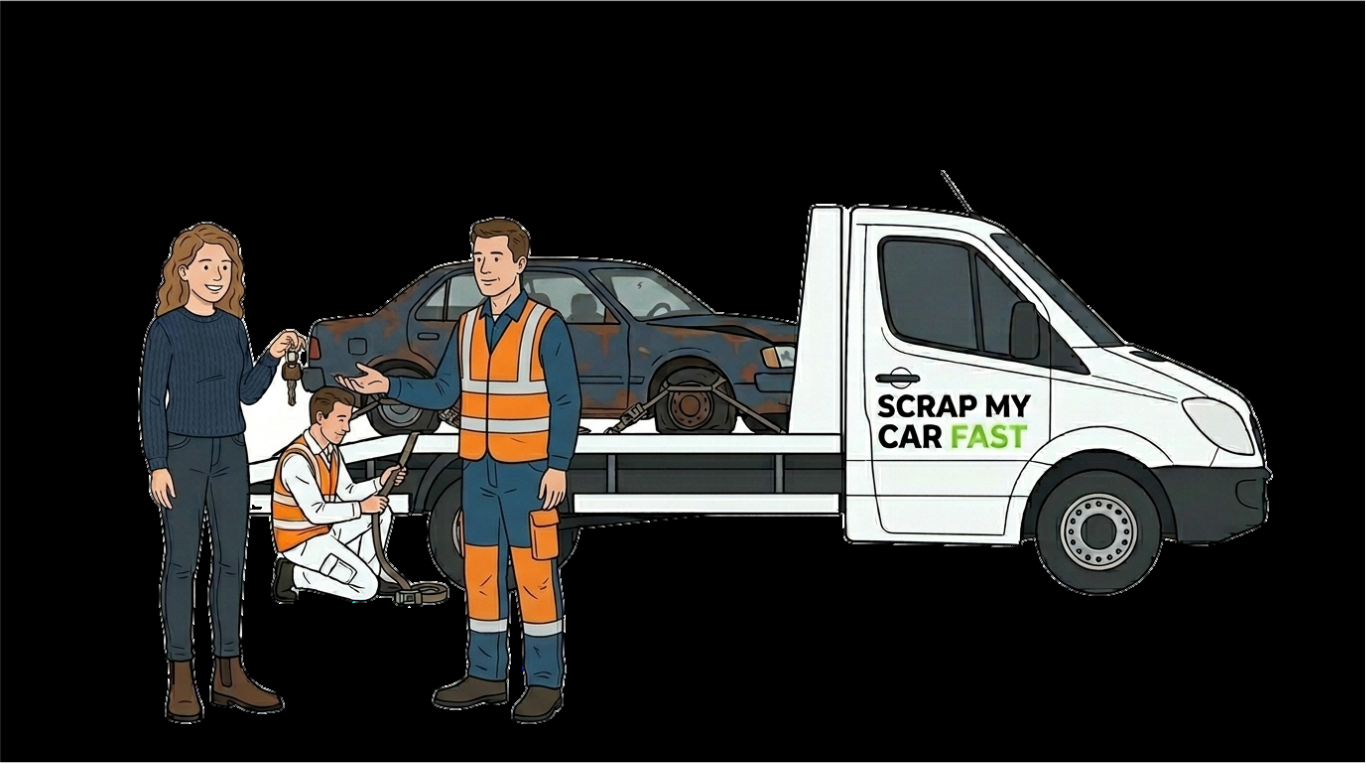
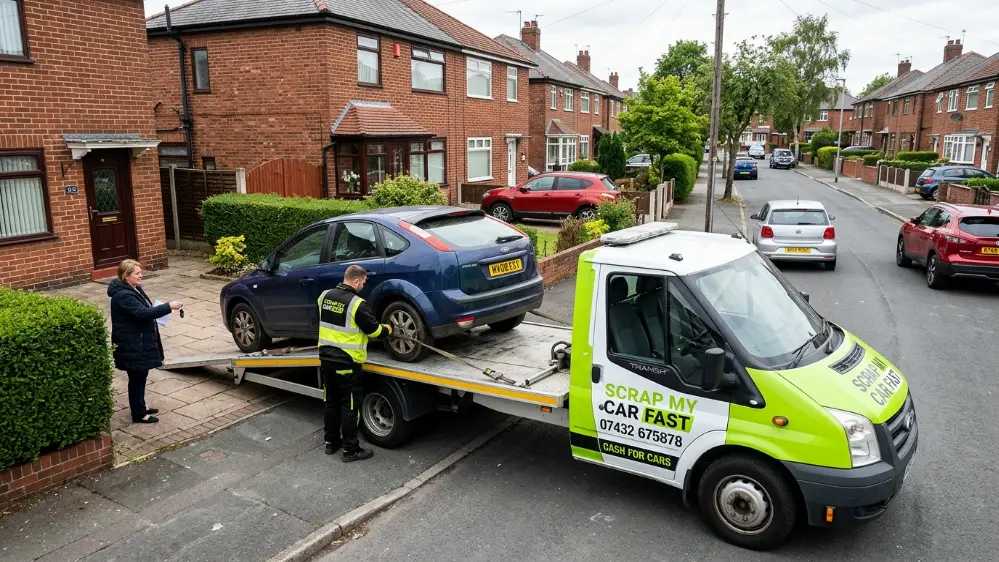
Once you’ve decided a scrap sale is the better fit, the process is straightforward. Book a free collection slot at a time that suits you, one of our drivers comes to your address anywhere across Greater Manchester, and you’re paid by bank transfer before the car leaves your driveway. There’s no appointment to travel to and no separate in-person valuation that might come in lower than expected, the figure you’re quoted upfront is the figure you’re paid. You can see the full breakdown of timings and what to expect on our same day scrap car collection page.
Frequently Asked Questions
Does We Buy Any Car and similar services collect non-running cars? Typically, these services are built around a branch appointment model, meaning the car generally needs to be driven there. Non-running vehicles often aren’t accepted without extra arrangement. A specialist scrap collection service is usually the more straightforward option if your car won’t start.
Why did my final offer differ from the online valuation? This is standard across this type of service. The online figure is based on the details you provided yourself, while the final offer reflects what’s actually found once the car is physically inspected, including any cosmetic or mechanical issues.
Is a local scrap yard cheaper or better for an old car? Often just as good financially, and simpler in practice. A scrap quote is based on weight and current metal value from the outset, so there’s no inflated initial figure to be adjusted down once your car is inspected in person.
Can I compare quotes before deciding which to use? Yes, there’s no obligation to accept any quote, from us or anyone else, until you’re happy with it. Getting more than one number before deciding is a sensible approach.
Do I need to travel anywhere to get a scrap quote from you? No. We collect for free from anywhere across Greater Manchester, including vehicles that can’t be driven at all, so there’s no appointment to travel to.
Want a straightforward number for your car with no travelling and no in-person adjustment? Get an instant quote now.