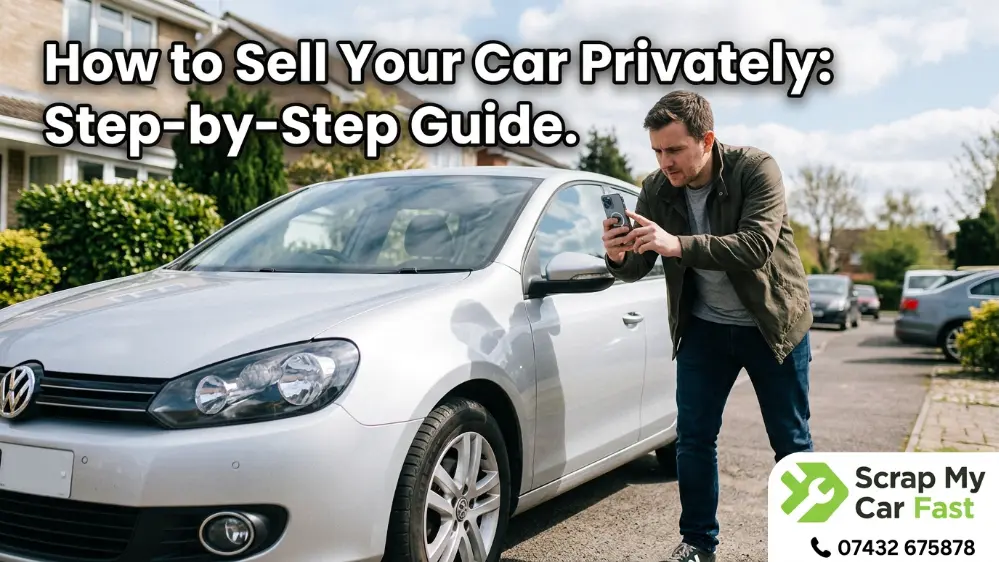
Selling privately usually gets you the best price for your car, and it’s also the option that takes the most time, effort, and a bit of nerve. Dealing directly with strangers, arranging viewings, and handling the paperwork yourself puts more money in your pocket than trading in or scrapping, but only if your car is actually the kind of vehicle private buyers want, and only if you’re prepared to put the work in.
Here’s the full process done properly, along with an honest look at when private sale genuinely isn’t worth the hassle compared with a faster route.
Is Selling Privately Actually Worth It For Your Car?
Before doing anything else, it’s worth being honest about whether this is the right route for your specific vehicle. Private sale works best for cars that are still in decent, presentable condition, reasonably desirable, and priced somewhere a private buyer would actually want to negotiate over. It’s a much harder sell for anything with a lapsed MOT, mechanical faults, high mileage, or cosmetic damage, since private buyers are typically looking for something they can drive away and use immediately, not a project.
If your car ticks the “presentable and roadworthy” box, keep reading. If it doesn’t, it’s worth skipping ahead to the section on when private sale isn’t worth the hassle, since there’s a much simpler route available.
Step 1: Get Your Car Ready to Sell
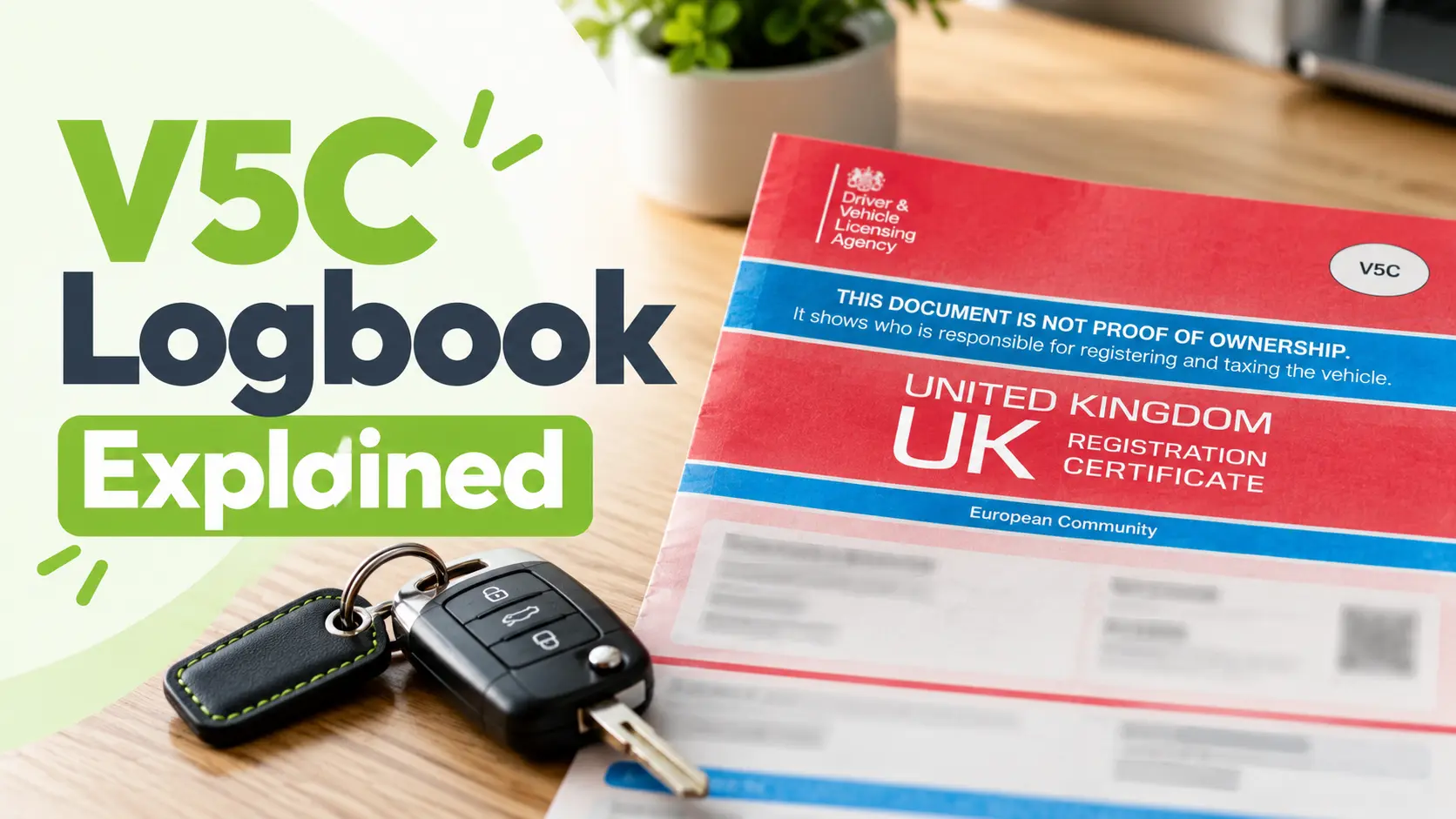
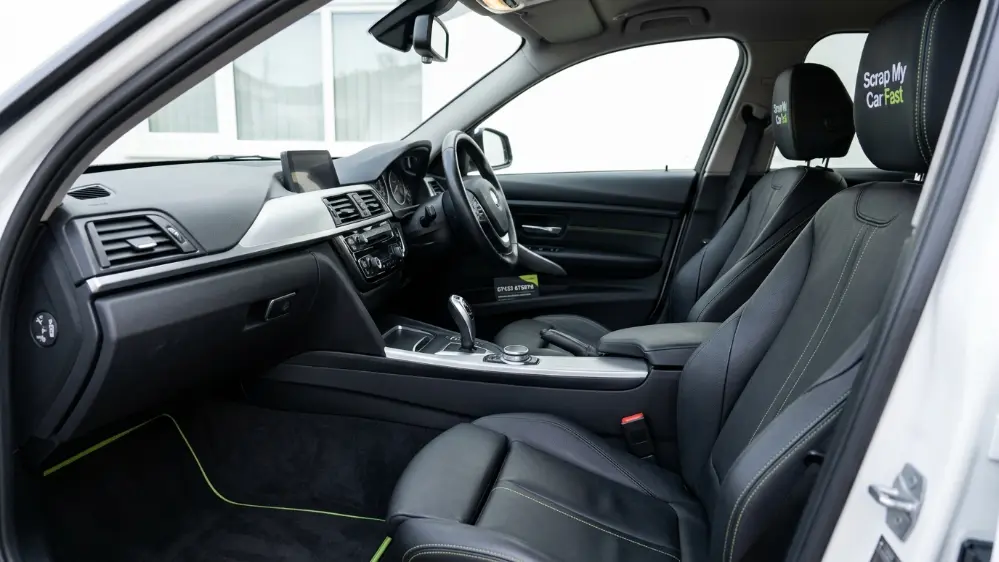
First impressions do a lot of the work here. A proper valet, inside and out, makes a bigger difference to how quickly you sell than most people expect. Fix small, cheap things that put buyers off disproportionately, a cracked wing mirror, a warning light that’s actually just a sensor fault, a bulb that’s gone. Gather your paperwork together in one place, the V5C logbook, your full service history if you have it, the current MOT certificate, and any receipts for recent work. Cars with a genuine, documented history sell faster and for closer to their asking price, because buyers see less risk in them.
Step 2: Work Out a Realistic Asking Price
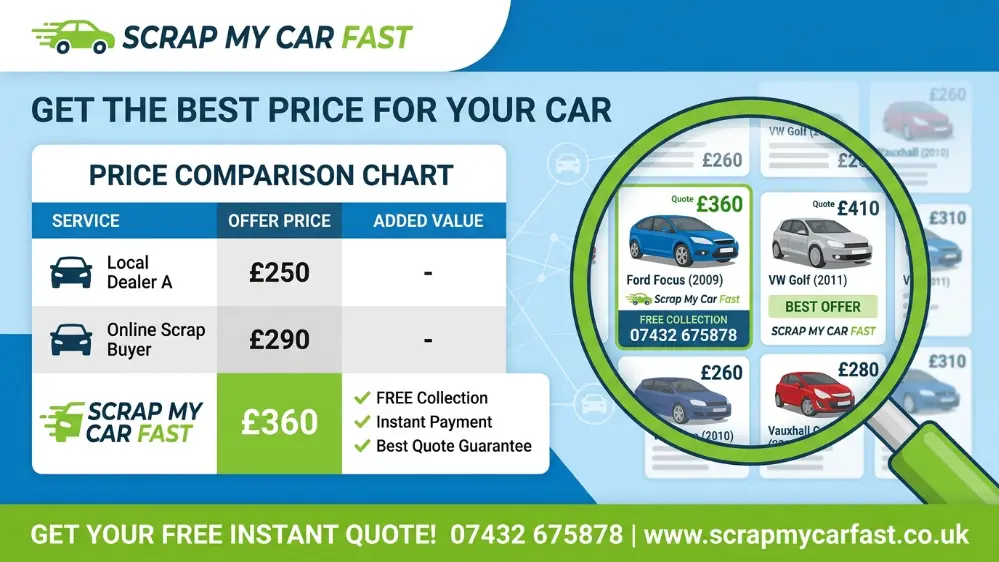
Check listings for the same make, model, age, and mileage on sites like Autotrader to see what similar cars are actually asking, not just what one optimistic seller wants. Be honest with yourself about your car’s actual condition compared with those listings, if it’s got more miles, older tyres, or a service history gap, price accordingly rather than assuming yours is worth top money regardless. Leaving a small amount of room to negotiate is normal, most private buyers expect to haggle a little, so pricing slightly above your genuine minimum acceptable figure tends to work better than listing at rock bottom from the start.
Step 3: Write an Honest, Detailed Advert
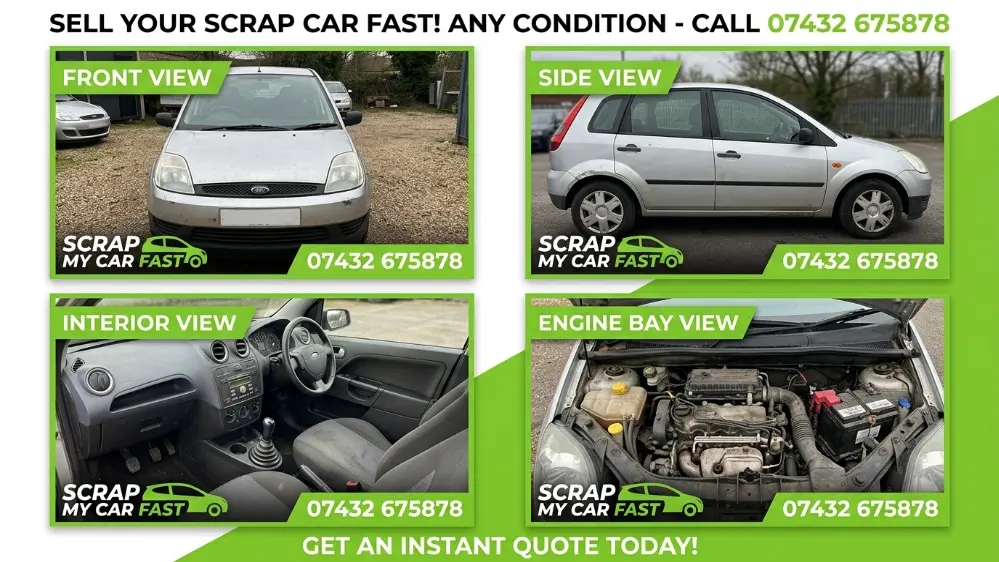
Take photos in good daylight, from multiple angles, including the interior, the engine bay, and any existing damage or wear rather than hiding it. Buyers who feel misled by photos after turning up in person tend to walk away entirely, wasting everyone’s time. Write a clear, factual description, mileage, MOT expiry, service history, number of owners, and be upfront about anything that needs attention. This honesty isn’t just good manners, it also protects you legally, since misrepresenting a car’s condition when selling privately can leave you liable if a buyer later has grounds to claim the car wasn’t as described.
Step 4: Choose Where to Advertise
Autotrader, Facebook Marketplace, Gumtree, and eBay Motors are the most commonly used platforms, each with slightly different audiences and costs. Autotrader tends to attract more serious buyers willing to pay closer to fair market value, while Facebook Marketplace and Gumtree often bring in more local interest and more time-wasters alongside genuine buyers. Using more than one platform at once generally gets you in front of more people without much extra effort.
Step 5: Handling Enquiries and Viewings Safely
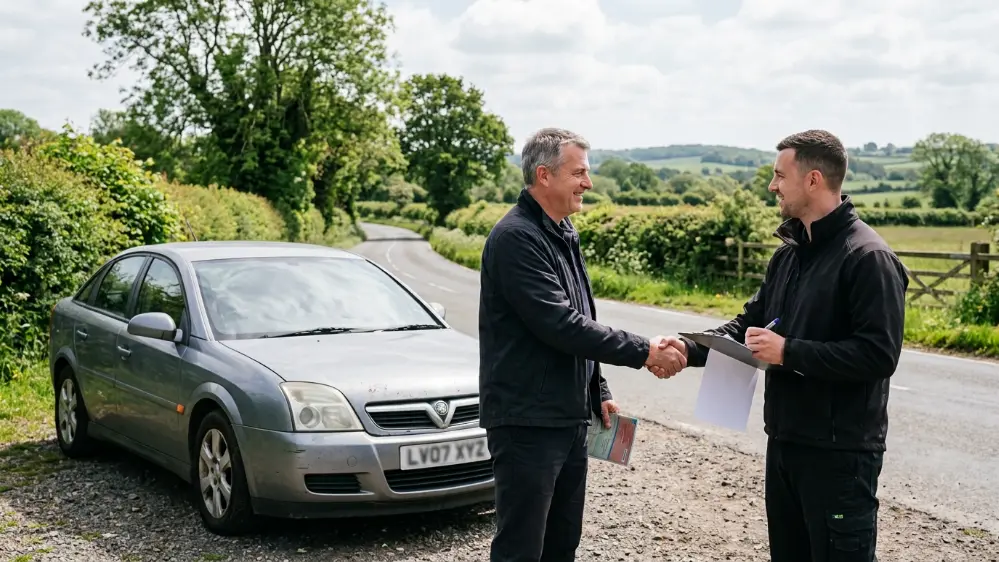
Arrange viewings in daylight, ideally somewhere with other people around rather than an isolated spot, and let a friend or family member know where you’ll be. Never hand over your keys for a test drive without seeing the person’s driving licence first, and it’s sensible to accompany them on the drive rather than letting a stranger take your car off alone. Be cautious of anyone pushing hard to pay by unusual methods, offering to pay more than your asking price for no clear reason, or trying to rush the transaction before you’ve had a chance to think it through, these are common patterns worth being alert to rather than specific tricks worth detailing here. If something about a buyer’s behaviour feels off, it’s always fine to end the interaction and move on to the next enquiry.
How Long Does Selling Privately Actually Take?
It’s worth setting realistic expectations here, since this is where private sale costs people the most in practice. Even a well-priced, well-presented car can sit on listings for two to four weeks before the right buyer comes along, longer if you’ve priced it optimistically or the model isn’t in strong demand. Factor in time spent responding to enquiries, arranging viewings around your own schedule, and dealing with the inevitable no-shows and time-wasters that come with any classified advert, and the true time cost of private sale is usually higher than people expect going in. This isn’t a reason to avoid it if your car suits the route, but it’s worth planning for rather than assuming a quick sale within days.
What If a Buyer Wants to Negotiate Hard?
Almost every private buyer will try to negotiate, and it’s worth deciding your genuine walk-away price before you start taking calls, rather than working it out on the spot under pressure. A common, reasonable approach is listing slightly above your minimum acceptable figure, giving yourself room to come down without going below what you actually need. Be wary of buyers who focus heavily on minor cosmetic issues to justify a low offer while ignoring the car’s genuine condition and service history, this is a standard negotiating tactic rather than a red flag on its own, but it’s fine to hold your ground if the offer doesn’t reflect your car’s actual value.
Dealing With Test Drive Requests Safely
A genuine buyer will expect to test drive the car before committing, and it’s reasonable to accommodate this while protecting yourself sensibly. Always check and photograph the driver’s licence before handing over your keys, and ask to see proof they have insurance to drive, either their own policy covering third party vehicles or a day’s cover arranged specifically for the test. Sit in the passenger seat for the drive rather than letting them take it alone, and agree a short, specific route in advance rather than an open-ended drive. None of this is about being suspicious of every buyer, most people are exactly who they say they are, it’s simply good practice that protects you regardless.
Step 6: Completing the Sale Properly
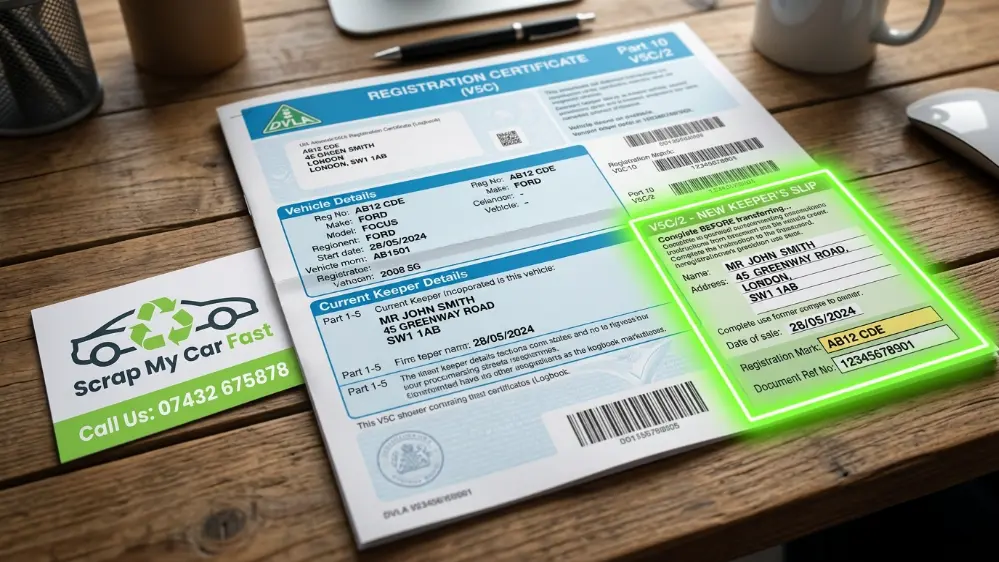
Once you’ve agreed a price, fill in the new keeper slip from your V5C logbook and hand it to the buyer, then send the remaining section back to the DVLA yourself, or notify them online, so the vehicle is no longer registered in your name. Write a simple receipt for both of you to sign, covering the date, mileage, agreed price, and both parties’ names and addresses, this protects you if any dispute comes up later. Only release the car once payment has genuinely cleared in your account, not simply once you’ve been shown a screenshot or told it’s on its way. Once it’s sold, you can cancel your car insurance and, if there’s a partial month of tax remaining, the DVLA will refund it automatically once they’ve processed the change of keeper.
Weighing Up the True Cost of Private Sale
Once you add together the time spent photographing, listing, responding to enquiries, hosting viewings, and negotiating, against the extra money private sale might realistically bring in over trading in or scrapping, the gap is often smaller than people assume, particularly for cars worth a few hundred to a couple of thousand pounds. For a genuinely desirable car worth several thousand pounds, the maths usually still favours private sale. For an older, higher-mileage, or less desirable model, the extra effort can end up earning you very little per hour spent, and that’s worth being honest with yourself about before committing weeks to the process. If you’re weighing this up specifically for an older car, our guide on how to get the best scrap car price in Manchester is a useful comparison point for what the scrap route alone can realistically get you.
When Private Sale Isn’t Worth the Hassle
Private sale makes the most sense for a car that’s genuinely in demand, roadworthy, and worth the time investment. It makes far less sense if your car is older, has failed its MOT, isn’t running, or simply isn’t something you expect a queue of private buyers for. In those situations, the extra money private sale might theoretically get you is usually eaten up by weeks of adverts, no-shows, time-wasters, and negotiating down from your asking price anyway, before you’ve even accounted for your own time. Our existing comparison of scrap vs part exchange vs private sale goes into more detail on weighing these three routes against each other for your specific situation.
The Faster Alternative If Private Sale Isn’t For You
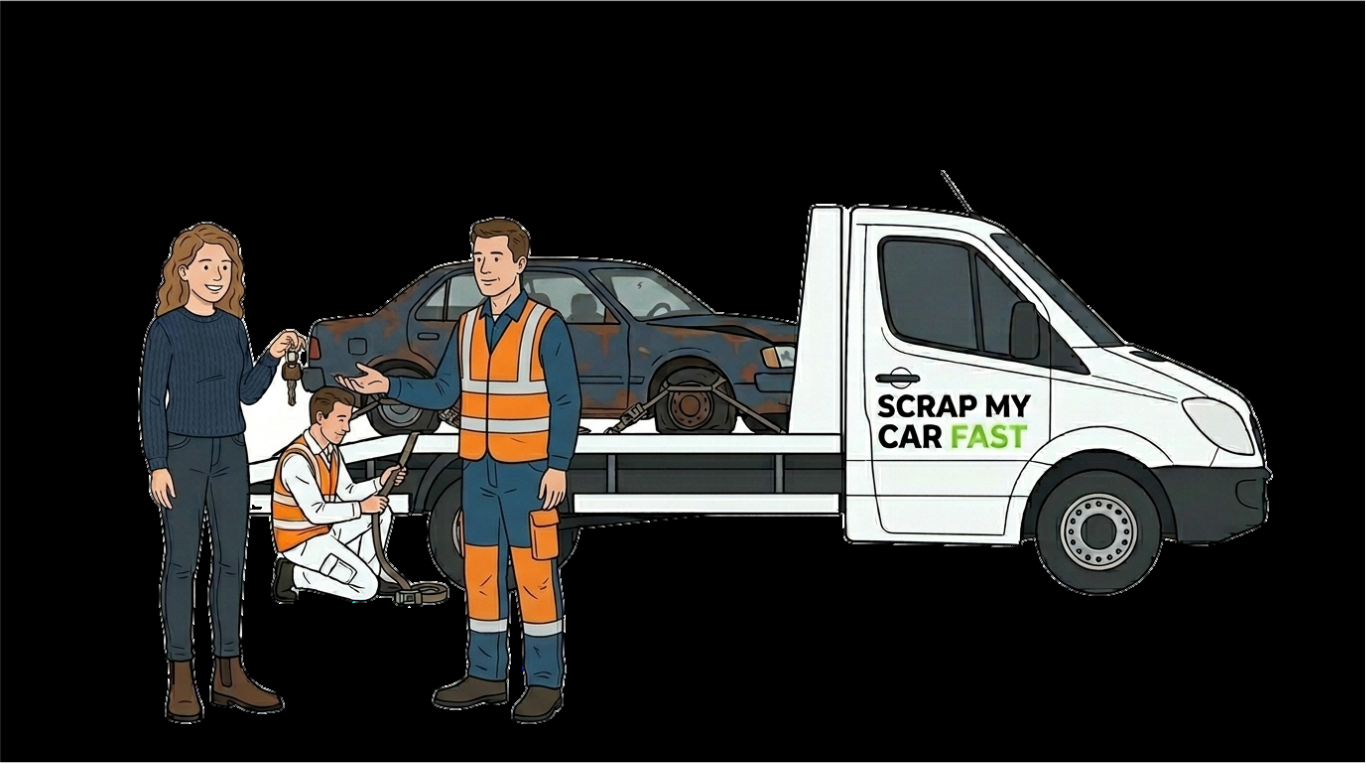
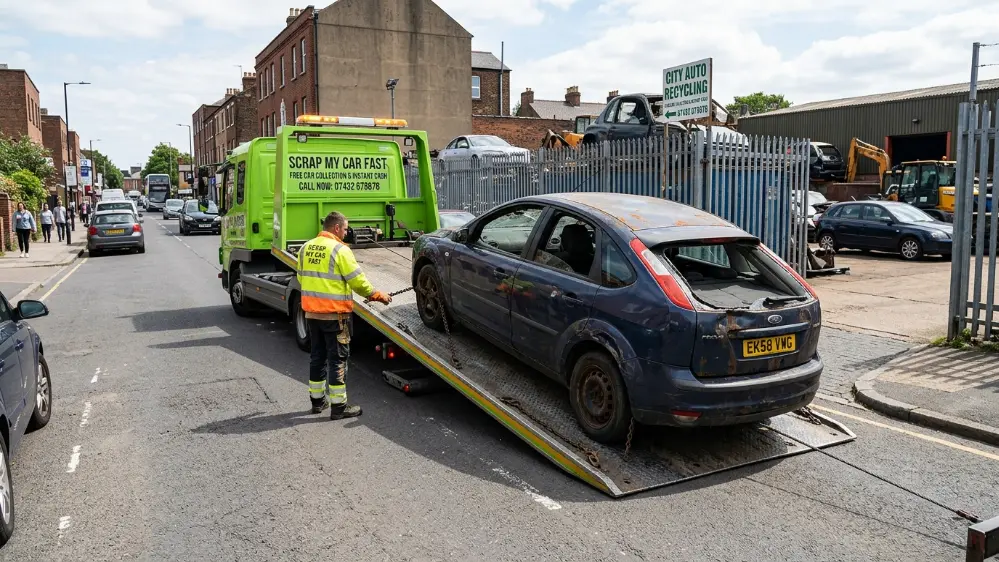
If you’ve read through the steps above and it’s clear your car isn’t the type private buyers are looking for, or you simply don’t have the time or patience for the process, scrapping it for cash is a genuinely simpler route. There’s no advert to write, no viewings to arrange, and no risk of dealing with unreliable buyers. You get a firm number based on your car’s weight and current scrap value through our scrap car calculator, book a free collection at a time that suits you, and get paid by bank transfer the same day. If it’s an older vehicle specifically that’s reached the end of its useful life rather than one with a specific fault, our scrap my old car service is built exactly for that, and you can see the full picture of how the process works on our scrap car for cash page.
Frequently Asked Questions
Is it better to sell my car privately or trade it in? Private sale usually gets a higher price but takes more time and effort. Trading in or scrapping is faster and more certain. Which suits you depends on how much your time is worth versus the extra money private sale might realistically bring in for your specific car.
What documents do I need to sell my car privately? You’ll need the V5C logbook to hand the new keeper slip to the buyer, a valid MOT certificate if applicable, service history if you have it, and a simple written receipt covering the sale details, date, mileage, price, and both parties’ details, for both parties to sign.
How do I protect myself from scams when selling privately? Meet in daylight with others around, verify a buyer’s driving licence before any test drive, only release the car once payment has genuinely cleared, and trust your instincts if something feels off about how a buyer is behaving.
Can I sell a car privately without an MOT? Yes, it’s legal as long as the buyer is aware and the car isn’t driven on public roads without one afterwards, aside from very specific legal exceptions.
What’s a faster alternative to selling privately? Scrapping your car for cash. There’s no advert to write, no viewings to arrange, and no negotiating with strangers about price, just a firm quote based on your car’s actual weight and value, and free, same-day collection anywhere across Greater Manchester.
If private sale isn’t for you, get an instant quote now and we’ll take care of collection and payment the same day.