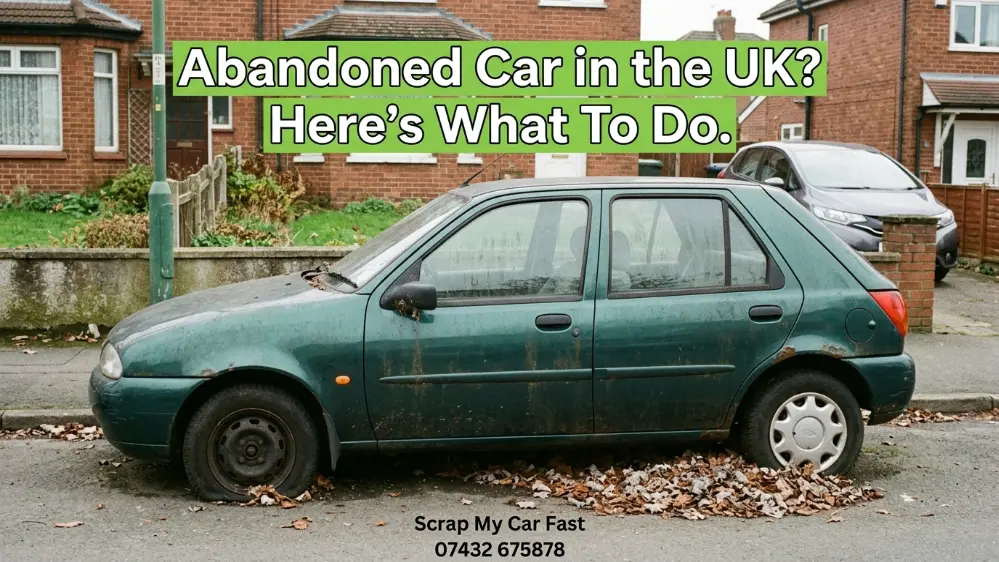
There’s usually a moment where a parked car tips over from “someone’s just not using it much” to “this has clearly been abandoned.” Flat tyres slowly sinking into the tarmac, a windscreen collecting leaves, no tax disc showing, and nobody’s touched it in months. Whether it’s sat outside your own house, on a road you walk down regularly, or you’re the one wondering if your own neglected car is drifting toward that same fate, it’s worth knowing exactly what the rules actually are.
What Legally Counts as an Abandoned Vehicle?
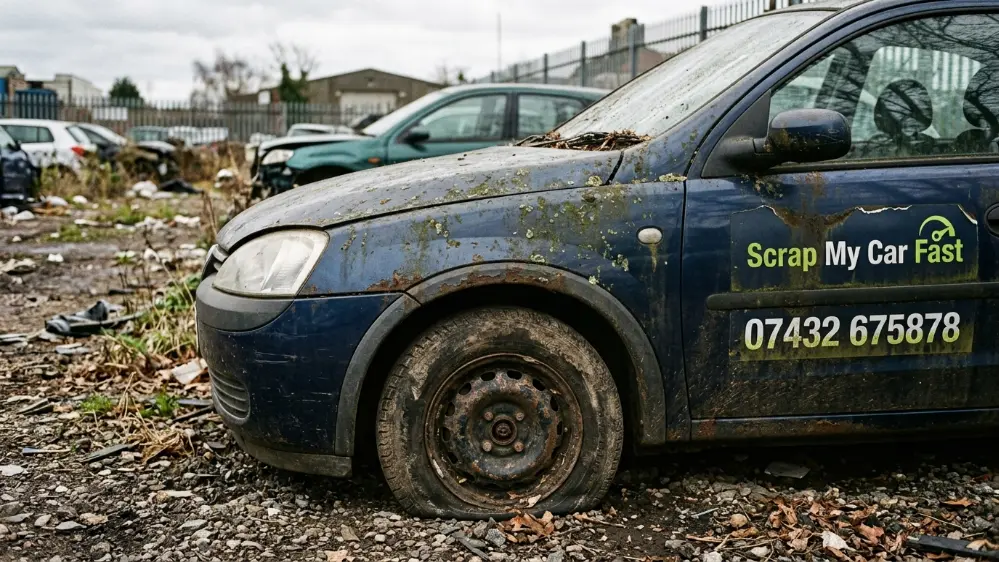
There’s no single, precise legal test that instantly labels a car “abandoned,” but councils and the DVLA generally look at a combination of signs together. No valid vehicle tax or SORN declaration on record is usually the first thing checked, since every car on a public road has to be one or the other. Beyond that, they’ll look at visible signs of neglect, flat or perished tyres, broken windows, significant dirt or plant growth building up, and whether the vehicle appears to have moved at all over a period of weeks. A car parked legally, taxed, and simply not driven often isn’t classed as abandoned even if it sits still for a long time, whereas an untaxed vehicle showing clear signs of neglect on a public road usually is.
Where to Report an Abandoned Vehicle
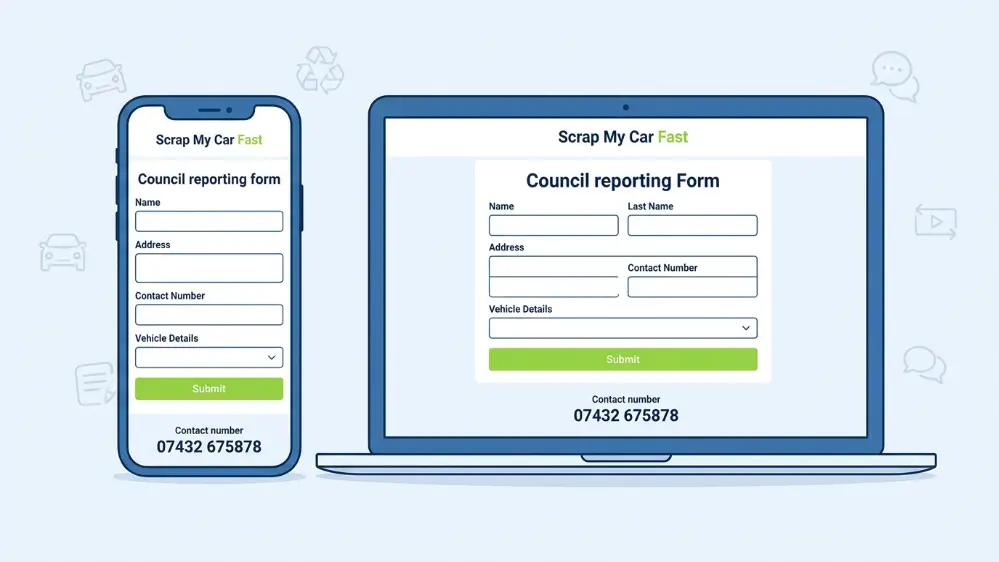
If you’ve spotted one, the right first step is reporting it to your local council rather than the police, unless it’s causing an immediate obstruction or safety hazard, in which case the police are the right call. Every council across Greater Manchester, Manchester City Council, Salford, Stockport, Bolton, and the rest, has a process for reporting an abandoned vehicle on a public road, usually through their website or a dedicated phone line. You’ll typically need the registration number if it’s visible, the exact location, and a description of the condition that led you to think it’s abandoned. The gov.uk website also has a straightforward reporting tool that routes your report to the correct local authority based on the location you provide.
What Happens After You Report It
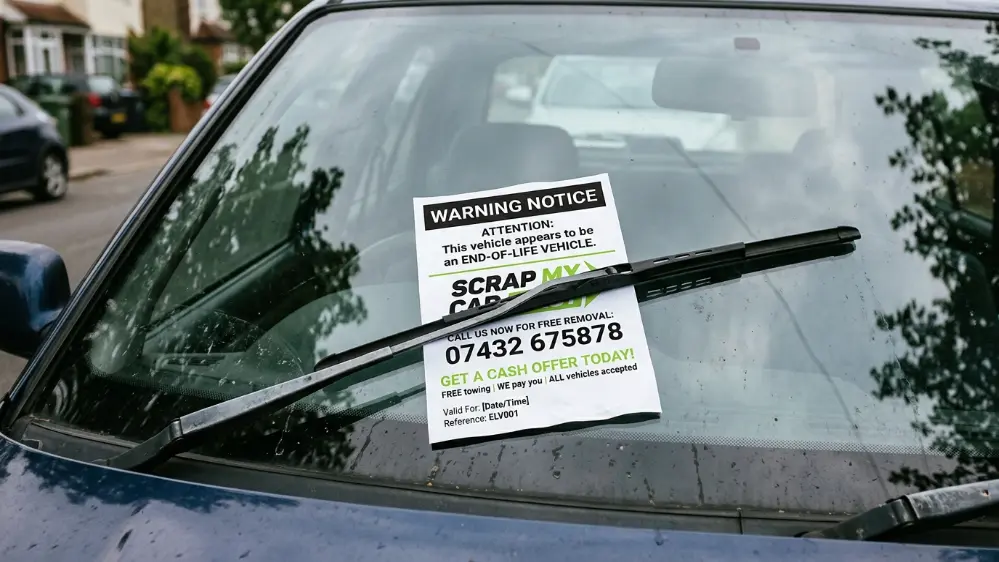
Once a report comes in, the council or the DVLA will check the vehicle’s tax and SORN status against the registration number. If it’s untaxed and not declared SORN, that’s usually enough on its own to trigger action, since this is a legal requirement regardless of whether the car looks abandoned or not. Typically, a warning notice gets placed on the windscreen giving a set period, often around two weeks, for the registered keeper to respond, move the vehicle, or sort out its tax status. If nobody responds within that window, the vehicle can be removed and, depending on its condition and value, either taken to a pound where the keeper has a further chance to reclaim it for a fee, or sent for scrap if it’s deemed to have no real remaining value.
What If It’s on Your Own Private Land?
This is where things get more complicated, and it’s worth being careful here. If a car has been abandoned on your driveway, your business premises, or any other private land without your permission, you can’t simply have it removed or scrapped as though it’s yours to deal with. Legally, it still belongs to whoever’s the registered keeper until proper steps are followed. In England and Wales, this typically falls under the Torts (Interference with Goods) Act, which sets out a process involving tracing the registered keeper through the DVLA, giving formal written notice of your intention to dispose of the vehicle, and waiting a specified period for a response before you’re in the clear to deal with it. Given how easy it is to get this wrong and end up liable to the actual owner, it’s genuinely worth getting advice from your local council or a solicitor before doing anything with a vehicle that isn’t legally yours, rather than assuming that because it’s been sat there for months, it’s now fair game.
Can You Just Get Rid of It Yourself?
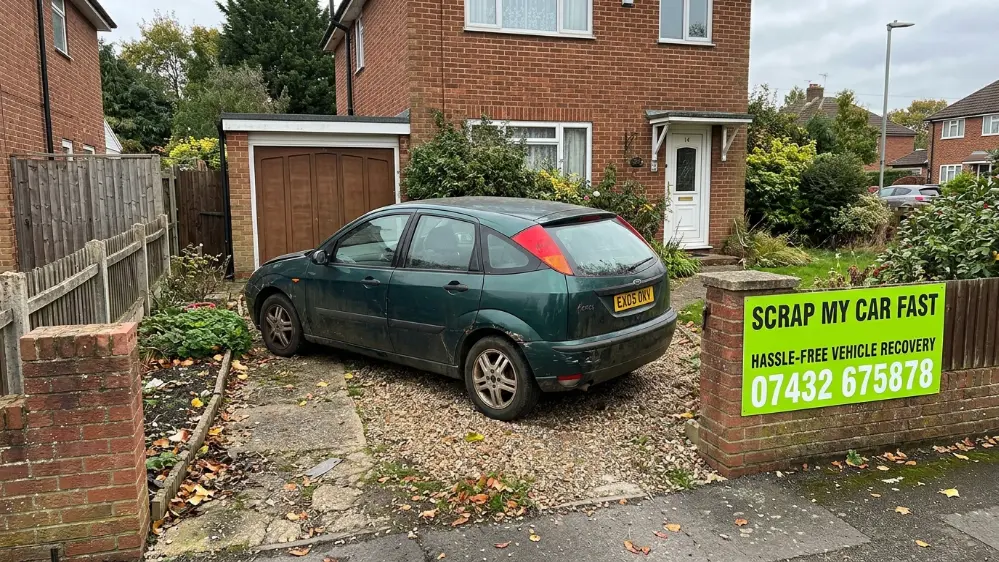
Not straightforwardly, no, and this is worth repeating because it trips people up. Even a vehicle that’s clearly been left for good, flat tyres, smashed window, clearly untaxed, still technically belongs to someone until the proper notice process has run its course. Scrapping or disposing of it without following that process could leave you liable if the original owner turns up later. The safer route is always reporting it through the correct channel, whether that’s your council for a public road, or the formal private land process if it’s on your own property, rather than taking matters into your own hands.
Why Abandoned Cars Cause Real Problems for Neighbours and Councils
It’s worth understanding why councils take reports like this seriously rather than leaving vehicles to sort themselves out. A car left untaxed and neglected on a residential street can become a magnet for further problems, attracting fly-tipping around it, becoming a target for vandalism or theft of parts, and in some cases leaking fluids that cause genuine environmental contamination on the road surface or nearby drains. There’s also a straightforward fairness issue, every other resident on that street is paying tax and insurance to keep a vehicle there, or has none parked at all, while one abandoned car sits taking up space indefinitely for free. This is part of why councils across Greater Manchester do actively investigate and act on these reports rather than simply logging them and moving on.
How the DVLA Uses Number Plate Recognition to Catch Untaxed Vehicles
Beyond individual reports from members of the public, the DVLA also uses automatic number plate recognition cameras mounted on patrol vehicles to cross-reference parked cars against the tax and insurance database in real time. This means an untaxed, abandoned-looking vehicle doesn’t necessarily need a neighbour to report it before action gets triggered, it can be flagged automatically as a patrol vehicle passes. This is worth knowing if you’re the one with an old car sat untaxed on a road rather than a driveway, since the process can move faster than you might expect once a vehicle is flagged this way.
What Happens If the Registered Keeper Can’t Be Traced
Sometimes an abandoned vehicle’s registration has expired so long ago, or the plates are missing entirely, that tracing the current registered keeper through the DVLA isn’t straightforward. In these cases, councils generally still follow the same formal notice process where possible, posting a physical notice on the vehicle itself for a set period even if a postal notice can’t be delivered to a confirmed address. This protects the council from acting improperly even where the paper trail is incomplete, and it’s another reason individuals shouldn’t attempt to shortcut this process themselves, the correct authority has established procedures for exactly this kind of uncertainty that an individual property owner typically doesn’t have access to or legal standing to use.
The Difference Between Abandoned and Simply Unused
It’s worth being clear that a car sitting still for a long time isn’t automatically a problem. Plenty of people keep a second car, a classic, or a project vehicle taxed, insured or SORN’d correctly, and simply not driven for months or years at a time. None of that constitutes abandonment in any legal or practical sense, provided the paperwork is in order. The distinction that actually matters is whether the vehicle is compliant, taxed and insured, or properly SORN’d if it’s staying off the road, not how often it’s driven. This is worth remembering if you’re ever unsure whether your own infrequently used car might attract unwanted attention, the fix is almost always simply keeping its tax or SORN status current rather than needing to drive it more often.
If It’s Your Own Car Heading This Way
Sometimes the more relevant question isn’t “what do I do about someone else’s abandoned car,” it’s “how do I stop my own car from ending up in this state.” An old, non-running vehicle left untaxed and unused on a driveway or road for long enough can end up flagged the same way, with the same warning notices and potential DVLA action, and once a car’s been sitting that long, an MOT and tax renewal are often no longer worth the cost compared with what it would fetch as scrap. If that’s closer to your situation, our guide on selling or scrapping a car without MOT or tax covers exactly how to deal with a SORN’d or untaxed vehicle properly and legally, without it ever reaching abandoned-vehicle territory in the first place.
Avoiding the Problem Entirely
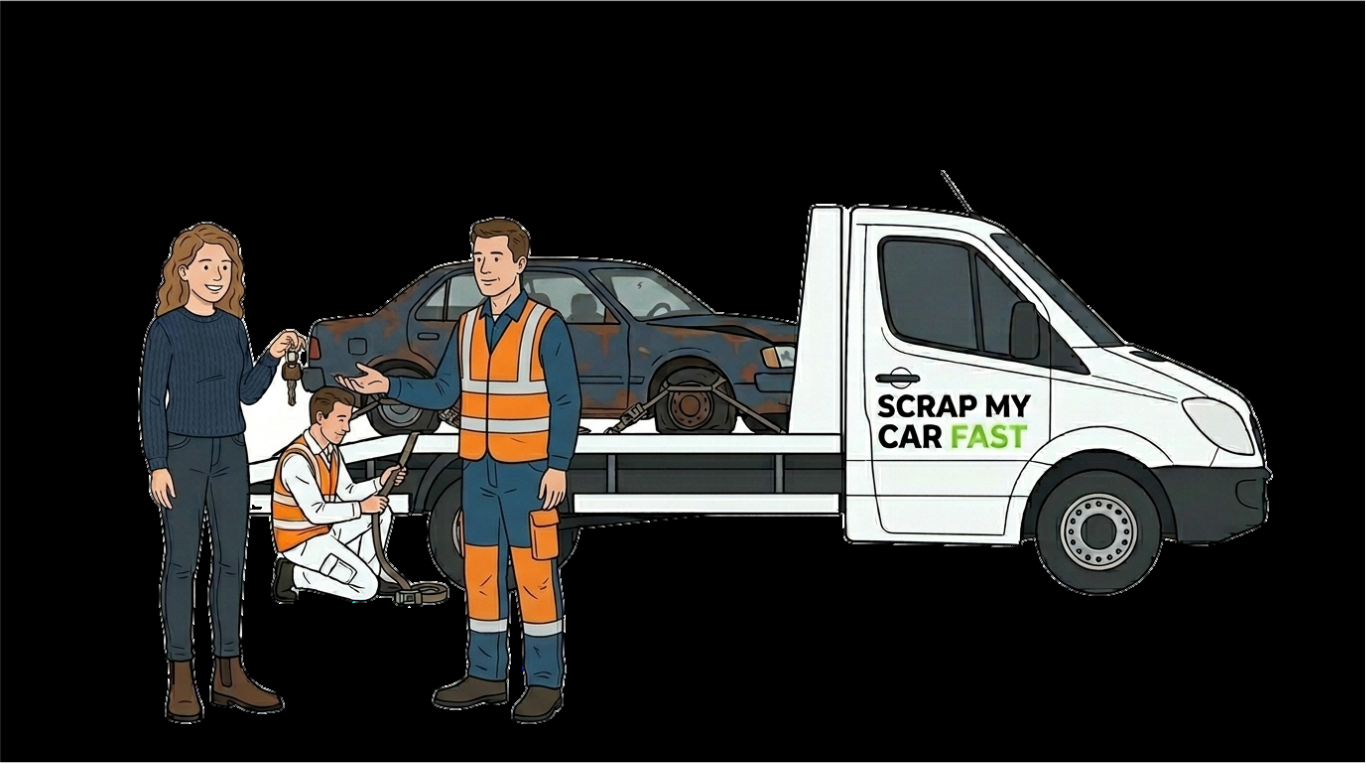
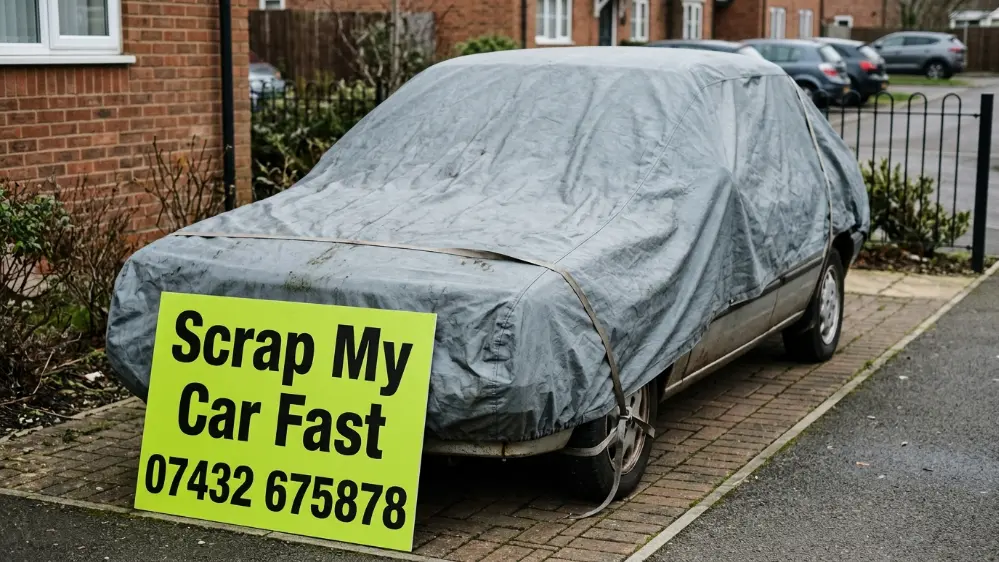
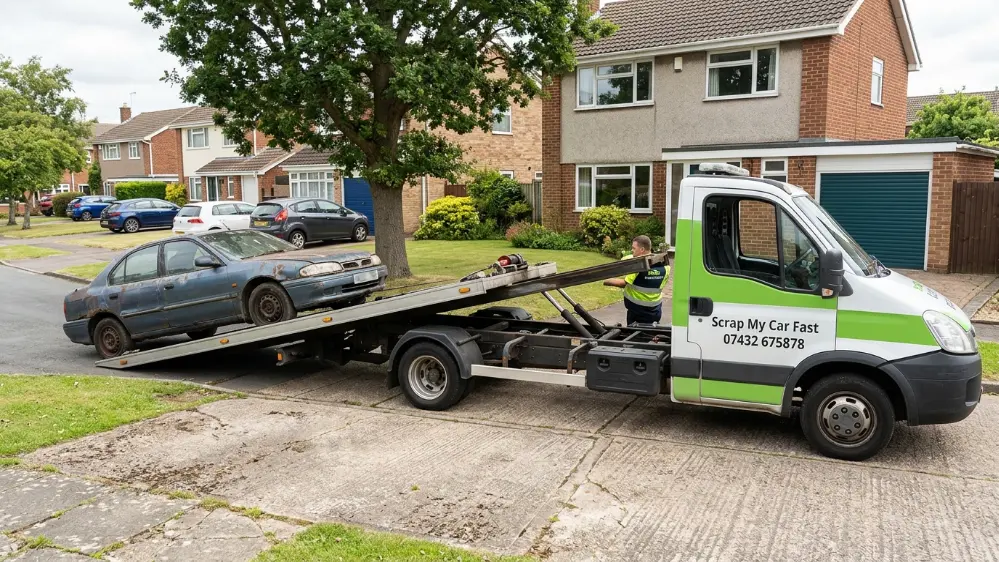
The simplest way to make sure your own car never becomes somebody else’s abandoned-vehicle report is to deal with it before it gets to that point. If it’s not being driven, isn’t worth repairing, or you simply don’t want the hassle of renewing tax and MOT on something that’s not going anywhere, arranging a proper collection is straightforward. Our scrap unwanted car service covers exactly this situation, and we collect for free from anywhere across Greater Manchester, including vehicles that haven’t moved in years and won’t start under their own power. You’ll get paid the same day the car is collected, and a Certificate of Destruction confirming it’s no longer your legal responsibility, which is the cleanest way to make sure a neglected car never turns into a fine or a legal headache.
What Documents You’ll Need If You Decide to Scrap It
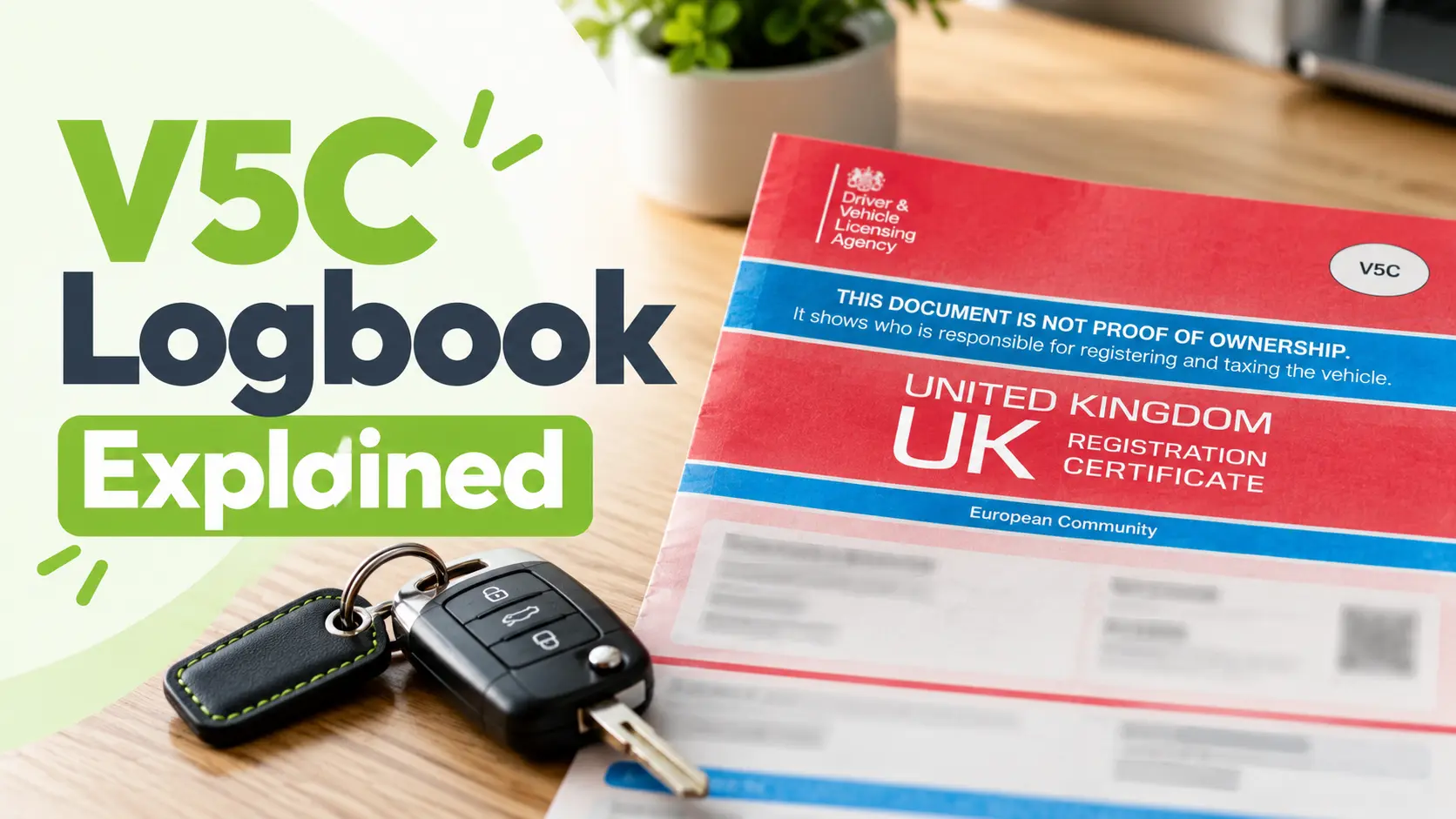
If you’ve decided your own vehicle is better off scrapped rather than left to drift toward abandoned status, having the right paperwork ready speeds things up considerably. Your V5C logbook is helpful if you still have it, though not essential, valid photo ID confirming you’re the registered keeper is the main requirement, and any SORN confirmation or tax reminder letters can help clear up your car’s current status quickly if there’s any doubt.
What We Need From You
Whether your car has been sitting for a few weeks or several years, the process is the same. Get an instant quote based on the vehicle’s details, book a free collection slot that suits you, have your V5C logbook ready if you’ve still got it along with valid photo ID, and we’ll handle the rest, including notifying the DVLA on your behalf. If you’re not sure whether your particular situation is covered, our FAQs page answers the most common questions we get asked, or you can contact us directly.
Frequently Asked Questions
How long can a car be parked before it’s considered abandoned? There’s no fixed number of days. Councils generally look at a combination of factors together, no valid tax or SORN, visible signs of neglect like flat tyres or broken windows, and whether the vehicle has moved over a period of weeks, rather than judging on time alone.
Who do I report an abandoned car to in the UK? Your local council, unless it’s causing an immediate hazard or obstruction, in which case contact the police. The gov.uk website also has a reporting tool that routes your report to the correct local authority.
What happens to an abandoned car after it’s reported? The council checks its tax and SORN status, typically issues a warning notice giving the keeper a set period to respond, and if nobody does, the vehicle can be removed to a pound or sent for scrap depending on its condition.
Can I remove an abandoned car from my own private property myself? Not immediately. It still legally belongs to the registered keeper until you’ve followed the correct formal notice process, which typically involves tracing the keeper through the DVLA and giving written notice before you can deal with the vehicle.
What should I do with my own car instead of letting it become abandoned? Arrange a proper scrap collection before it reaches that point. It’s free, quick, and you’re paid the same day, rather than risking fines or DVLA action for an untaxed vehicle left sitting on a road.
Got an old car that’s been sitting unused for a while? Get an instant quote today and we’ll collect it for free, anywhere across Greater Manchester.